Trending Episodes
Trending across all shows in the last 7 days
Jay Stratton's Out of the Shadows gives UFO disclosure new weight, drawing on intelligence credentials, Skinwalker Ranch encounters, and claims about recovered craft and hidden programs. For longtime followers, it adds credibility more than shock, while still raising hard questions about evidence.
Andy and Pavel review Jay Stratton's new book Out of the Shadows, digging into alleged Lockheed UFO craft claims, occupants, and the online storm around disclosure. They ask if it is bombshells, breadcrumbs, or BS, while weighing credibility, missing names, and the crowded ufology moment.
Battlestar React-ica LIVE! with Ronald D. Moore | Season 2 Reactions | Hosted by Katee Sackhoff
Katee Sackhoff, Robin Gadsby, and Ronald D. Moore revisit Battlestar Galactica Season 2 live in Portland. They share behind-the-scenes stories, trauma and fandom, and raise $33,000 for pediatric cancer research. The night blends show analysis, personal memories, and support for the Sam Day Foundation.

Arcturians: MASSIVE Energy Wave Coming in DECEMBER! Beyond Humanity's Control.. | David Clements
David Clements returns with a bold look at energy waves, higher self awareness, and why reality may shift as perception changes. Expect galactic messages, astral ship encounters, and a practical guide to the December wave. Learn how to stay playful while old trauma loosens.
Frances Valintine unpacks New Zealand's demographic squeeze and the productivity promise of AI. From worker-to-retiree ratios to token costs and inheritance shifts, she asks whether NZ will invest its wealth at home. A sharp, practical look at the future of work, ageing, and technology.
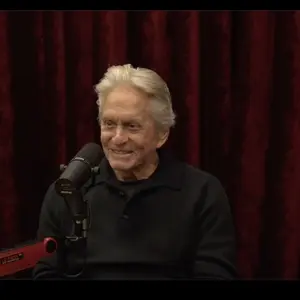
Joe and Michael Douglas unpack "Falling Down," "Wall Street," cancer survival, and family pressure. They trace greed, power, and public trust from Gordon Gekko to crypto, AI, Ukraine, Iran, and nuclear risk. It is a candid ride through Hollywood, psychedelics, guns, and why people must still show up.
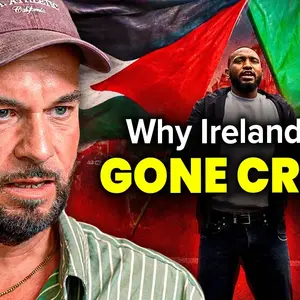
Brendan O'Neill returns to Triggernometry, not pulling punches over Ireland and Palestine. He links post-Catholic Ireland, woke religion, anti-Zionism versus anti-Semitism, and the Ed Sheeran and Macklemore fallout. The episode examines borders, class resentment, and the West's moral architecture.

Decades after a man was found dead in a Boise church pew, this episode explores the Unknown Wanderer, cyanide clues, and a possible link to the 1982 Chicago Tylenol murders. Detective Tim Cooper traces 30 keys, a DNA match, and missing weeks while asking listeners for tips.
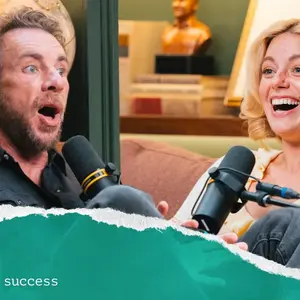
Ashe opens with a funny wedding meet-cute, then gets real about grief, therapy, panic attacks, and the pressure of success. With Dax and Monica, she explores saying no, protecting peace, freezing eggs, and motherhood. The episode closes with a live piano performance of "Stop the Wedding."
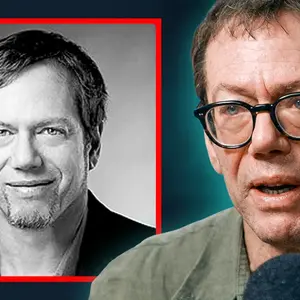
Robert Greene on finding his footing, why The 48 Laws of Power and Seduction felt alive, and why chasing a safe path in your 20s and 30s can cost you later. He also shares lessons from fear, Hollywood burnout, and the perspective of the sublime, plus a simple health routine.
About half of American adults use chatbots, and one in five has talked to an AI romantic partner. Sherry Turkle traces how machines moved from Eliza to AI companions that seek attachment, not just attention. She asks what happens to kids, democracy, and real connection when fake friends feel too easy.

Ben Shapiro unpacks a viral X controversy about his comments on Christianity, Judaism, and Noahide laws, then takes on Tucker Carlson's attacks on the faith and why Sharia law is not Jewish law. He argues Carlson is demoralizing the right and hurting Republican Senate chances.

If you feel successful on paper but hollow in relationships, Dr. Thema Bryant reframes success through trauma and connection. She explores self worth, guilt, shame, people pleasing, attachment, and trust. Her practical insights help listeners feel safe, loved, and enough while they heal.
What happens when AI stops chatting and starts managing your life? Kevin and Tim discuss assistants in iMessage, booking plans, reshaping commerce, and who controls your history, preferences, and digital future. Try ChatGPT or Muse to see the shift firsthand.
AI did not kill writing. It killed boring writing. Scott argues that taste, judgment, and storytelling become premium skills in an AI-saturated economy, while companies pay for podcasts and media channels to control their voice, credibility, and reach.

What happens if you take the sailors out? This episode explores autonomous undersea vehicles like Orca, Ghost Shark, and Excalibur, and how hybrid fleets of crewed submarines and drones may reshape undersea warfare. The future is a networked ocean of sensors, mines, and machines, not a lone submarine.

Deep Prasad returns for a wild ride through AI, quantum computing, UFO disclosure, and consciousness. He asks if machine intelligence has a detectable technosignature, why AI may be a Trojan horse, and what his 2019 encounter revealed. Expect physics, ESP, and non-human intelligence.

Peter Zeihan digs into the Ogallala Aquifer and Punjab's fossil water crisis, showing how cheap solar pumps could drain aquifers in 10 to 15 years. He explains why a water-driven calorie deficit in India may be coming, and hints at an even worse third region.
David and Gordon return to MI5's blunt annual threat briefing, where Russia, espionage and sabotage are surging. They unpack how AI could turbocharge cyber attacks, radicalisation and bioweapons risks. The episode also probes the strange RAF Fairford incident and Iran's possible quiet win.

The Federalist's Sean Davis on Trump, the Midterms, and our Cultural Depravity | “YOUR WELCOME” #437
Michael Malice and Sean Davis tackle conservatism, free speech, Trump, and the GOP midterm future. They debate faith, one-income America, obscenity laws, Calvinism, and whether the right understands power. It is a candid conversation about old-school normalcy, culture, and political warnings.